TMJ Disorder vs Jaw Pain: Understanding the Difference
Home
TMJ Disorder vs Jaw Pain: Understanding the Difference

Home
TMJ Disorder vs Jaw Pain: Understanding the Difference
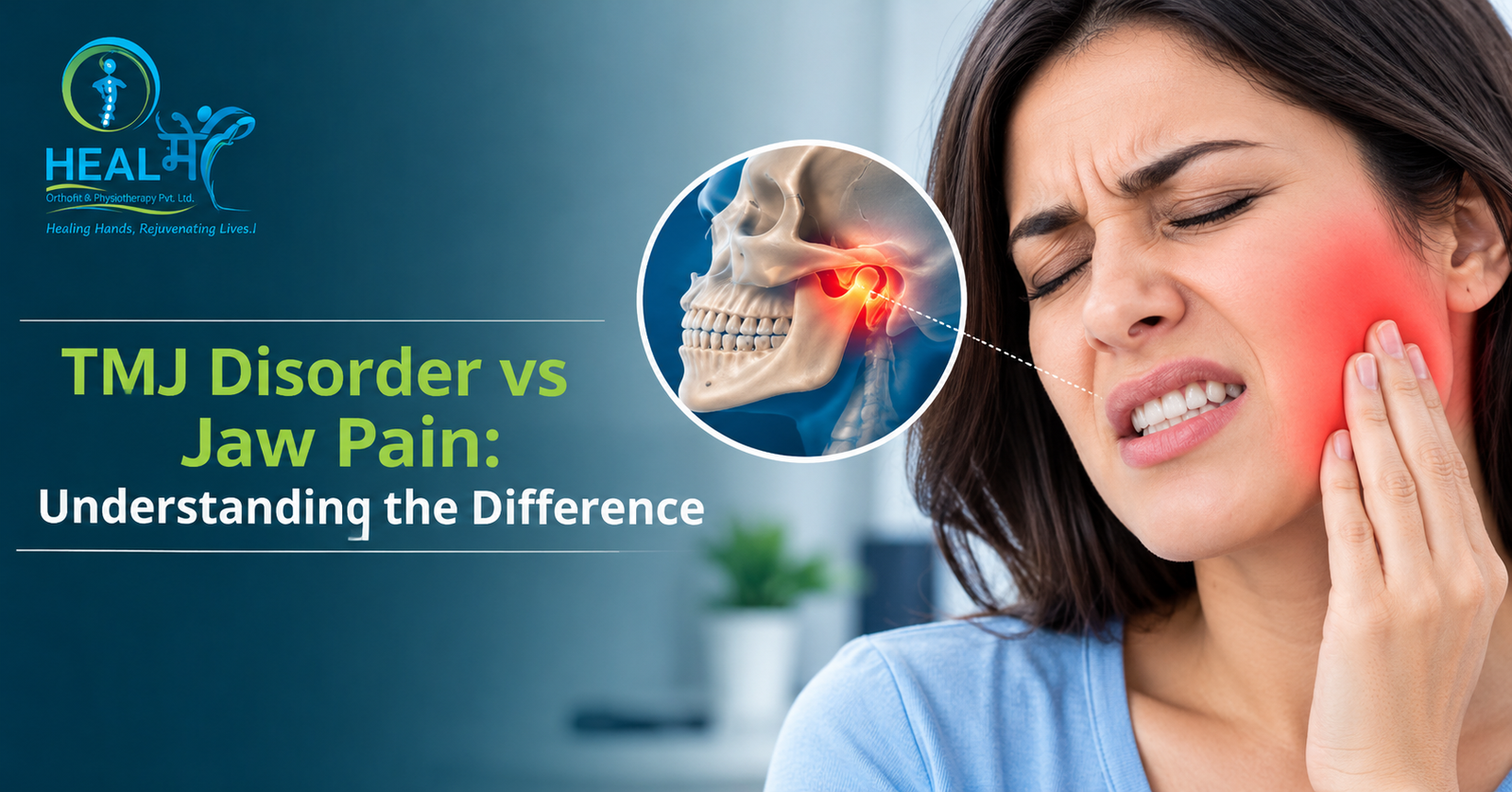
A jaw that aches after a long meal is easy to ignore. One that clicks every time you yawn is harder to ignore, and the first thing most people do is search “TMJ”. Sometimes that guess is right. Often it isn’t, because a cracked molar or an inflamed gum can hurt in almost the same place. Which one you have changes what the doctor does, so it’s worth sorting out before you go looking for TMJ Treatment in Ahmedabad. Catch the pattern early and it rarely gets in the way of work, meals or sleep.
Jaw pain is a description, not a diagnosis. Patients use it for soreness along the lower jaw, in the cheeks, at the temples or just in front of the ears. The real question is what’s producing it.
The causes doctors check first:
Timing says a lot. Tooth infections tend to throb in one spot, sometimes through the night. Muscle strain usually shows up while chewing and settles when you stop.
You have a temporomandibular joint (TMJ) on each side of your face, in front of the ear, joining the lower jaw to the skull. Open your mouth and press a fingertip there. You’ll feel it move. It works every time you speak, eat or yawn, which is why a problem there is so noticeable.
A TMJ disorder, or TMD, covers trouble with the joint itself, the muscles that move it or the tissue around it. Jaw movement turns painful or stiff.
Signs people commonly report:
Clicking alone doesn’t mean much. If it’s painless and your jaw opens normally, it’s usually nothing.
Both hurt. That’s about where the similarity ends.
| Comparison | General Jaw Pain | TMJ Disorder |
|---|---|---|
| Meaning | A symptom of different conditions | A disorder affecting the jaw joint or muscles |
| Common causes | Dental infections, injuries, muscle strain | Joint problems, muscle dysfunction, clenching |
| Pain location | Teeth, gums, cheeks or jaw | Jaw joint, temples, ears or surrounding muscles |
| Jaw movement | May remain normal | May become painful or restricted |
| Clicking sounds | Not usually a defining symptom | May occur, sometimes with pain |
| Treatment | Depends on the underlying cause | Depends on the type and severity of TMD |
Put simply: jaw pain is what you feel. TMJ disorder is one reason you might be feeling it.
Rarely just one. Most people have a couple of these going on together.
A lot of people grind at night and only find out when a partner mentions the noise, or when they wake up with a sore face. Some clench during the day without realising, especially at a desk. Either habit puts a heavy load on the muscles and the joint.
Tension goes to the jaw for many people. Deadlines, money worries or a bad week can leave the muscles tight for days, and the headaches that follow are often put down to something else.
A fall, an accident or a hard knock to the face can damage the joint or the tissue around it. Sometimes the pain or the limited movement lingers long after the bruising has gone.
Inside each joint is a small cushioning disc. When it shifts out of place or wears, the jaw may click, hurt or struggle to open.
This depends on what’s causing it and how bad it is. A lot of people improve with simple measures, and that’s usually where doctors start.
Bigger interventions come after these, if at all. Surgery or reshaping the bite shouldn’t the first thing offered for everyday TMJ symptoms.
TMJ disorder and plain jaw pain can feel the same from the inside, yet they don’t always call for the same treatment. Knowing the real cause is what gets you lasting relief.
At HealMe, you can get guidance on jaw pain and TMJ-related problems. If your symptoms keep returning, an assessment will show what’s going on and what you can do about it.
Looking for dependable TMJ Treatment in Ahmedabad? Call HealMe on 87806 77703 to ask about a consultation.
No. Tooth infections, gum problems, strained muscles and injuries can cause it too. An examination will tell you which.
A stiff jaw, soreness when chewing, painful clicking, headaches and trouble opening wide.
Mild cases sometimes do. Rest, soft food, warm or cold compresses and less jaw movement can be enough. If it lingers or gets worse, have it checked.
A dentist or an orofacial pain specialist who treats TMJ disorders. Which of the two suits you depends on your symptoms and diagnosis.
Yes. Stress makes you clench and tighten your muscles, and that can aggravate jaw pain you already have.