Temporomandibular Joint Dysfunction Symptoms
Home
Temporomandibular Joint Dysfunction Symptoms

Home
Temporomandibular Joint Dysfunction Symptoms
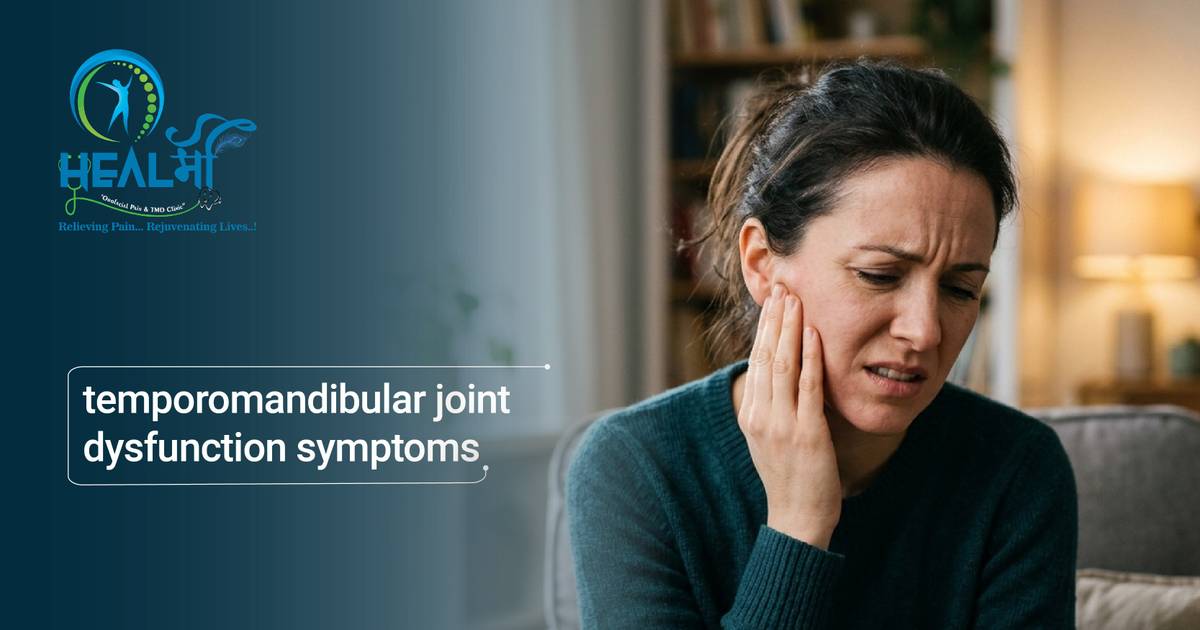
Have you ever felt a clicking in your jaw when eating or pain around your ears while talking? It seems like small things here and there, but they can actually indicate something to the effect of temporomandibular joint dysfunction (TMD). If you know the symptoms, you can avoid long-term pain and problems. For those seeking TMJ treatment in Ahmedabad , tracking the alarm signals is the primary step to alleviation.
TMJ (Temporomandibular Joint) is when your lower jaw is attached to your skull and allows you to do simple daily tasks like chewing, talking, or even yawning! Temporomandibular Joint Dysfunction (TMD) occurs when this joint or nearby muscles are not functioning properly.
A lot of people suffer from TMJ problems without even knowing that their headaches, jaw pain or facial jolting are linked to this condition.
TMJ disorder does not affect everyone in the same way. Some have mild discomfort, while others live with daily pain and the inability to open their mouths widely.
Among the most prevalent signs and symptoms is a headache around the jaw joint. This pain may worsen with chewing, talking, or opening the mouth wide. The pain can sometimes radiate in the neck and shoulders.
The noise made by the joint while opening or closing the mouth is clicking, popping and grinding (garbling sounds) and indicates that the movement of the jaw was not smooth. The clicking sound is harmless, but it must be assessed if you are having pain or stiffness.
People who suffer from TMJ dysfunction may feel as if their jaw is stuck or locked. You see how this can get irritating while eating or talking.
TMJ issues can lead to tightness in the muscles that are near the joints and may result in headaches, often mimicking migraines. Another more common symptom is facial soreness, particularly near the cheeks and temples.
TMJ dysfunction can cause pain, pressure, ringing sensations, and even ear fullness (when there is no infection) because the jaw joint is located near the ears.
Eating should not hurt. Does chewing make your jaw muscles hurt, ache or tire out?
Some people even notice that their top teeth and bottom teeth no longer touch properly. Another sign that the temporomandibular joint (TMJ) is being stressed out and pressured can be if you notice your bite alignment changing.
Before we dive into the TMJ disorder treatment , you may be wondering how a person even develops these issues in the first place.
Common causes include:
In practice, more than one factor is often involved in the disease.
Most people ignore the jaw pain until it severely impacts their daily routine. But the earlier you treat it, the quicker and easier the treatment is.
Getting care when you should can minimise joint and muscle damage.
Despite that, the positive aspect is that most TMJ conditions could be handled effectively by using the right technique. Depending on the seriousness of the disorder, remedies can include:
Some simply reduce teeth grinding and/or relieve pressure on the jaw joint while sleeping.
Have therapeutic exercises to do, with jaw and muscle relaxation, mobility improvement, and pain reduction.
Smaller alterations, such as staying away from hard foods, having far better posture and managing naturally, can help lessen signs noticeably.
You may be prescribed anti-inflammatory medications or muscle relaxants to relieve pain.
In the more complicated cases, a dental procedure can also be done to help you regain your jaw function. The team will then tailor your treatment according to the cause of the disorder here.
You should not have to just put up with jaw discomfort. If you are experiencing symptoms, including but not limited to chronic pain, headaches, difficulty chewing or your jaw locking temporarily, then it may be Temporomandibular Joint Dysfunction (TMD). Spotting such warning signs early can save you a lot of unpleasantness in the future and help protect your oral health as well.
If you have one or more of these symptoms, contacting a TMJ Specialist at HealMe Pain Clinic for TMJ treatment in Ahmedabad can help figure out the cause and point you toward lifelong relief. You can also call 87806 77703 for an appointment. The sooner the condition is addressed, the easier it is to regain comfort and normal function of your jaw.