Orofacial Pain: Causes, Symptoms, Diagnosis and Treatment
Home
Orofacial Pain: Causes, Symptoms, Diagnosis and Treatment

Home
Orofacial Pain: Causes, Symptoms, Diagnosis and Treatment
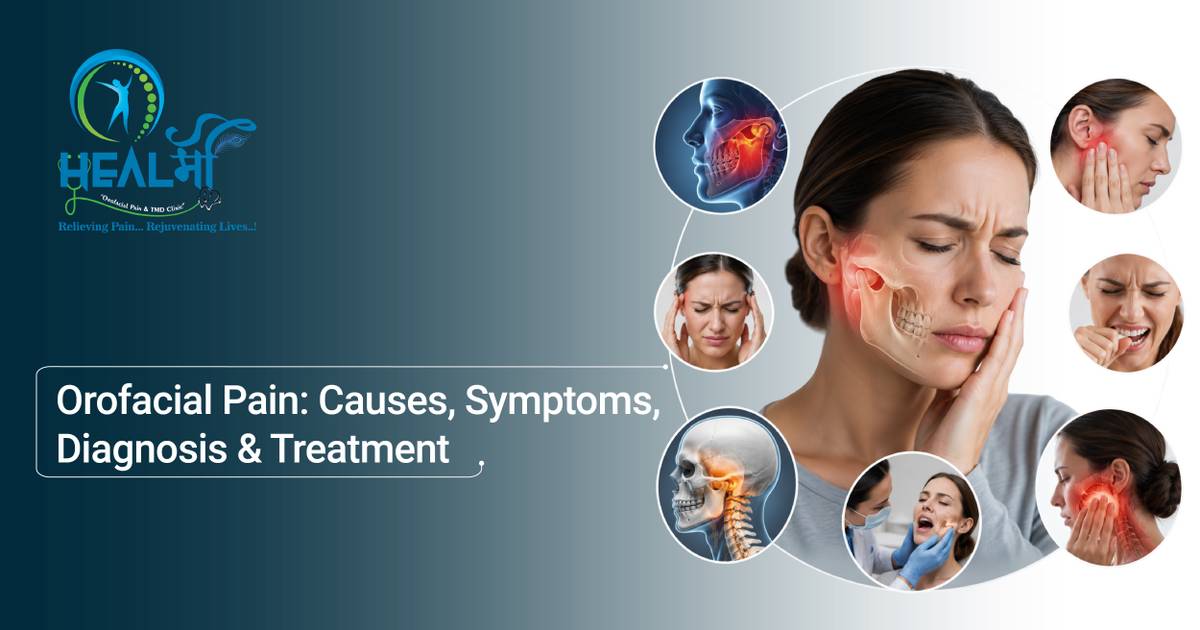
Pain around the face, jaw, or mouth is easy to brush off at first.But if it continues coming back, it begins to eat into everything, including eating, talking, and sleeping properly. Anyone searching for Orofacial Pain Treatment in Ahmedabad has usually already tried to ignore it for a while first. That's normal. What actually helps is figuring out the real cause instead of just waiting it out, because catching it early means treatment can start before the problem gets harder to manage.
Orofacial pain is pain felt in the mouth, jaw, face, head, or the muscles around them. Sometimes it appears out of nowhere. Other times it creeps in slowly over weeks, and by the time someone notices, it's already been there a while without them realising. It can last a few days. It can also turn into something that sticks around for months.
Treatment only works if it's aimed at the right cause, otherwise you're just managing pain without actually fixing anything. Here's what usually causes it.
Temporomandibular Joint Disorders: Problems in the jaw joint itself. Symptoms include chewing pain, stiffness, clicking, and trouble opening the mouth completely, sometimes all four at once, sometimes just one.
Muscle Tension: This one's common. Overworked jaw muscles from stress, grinding, clenching, whatever the trigger happens to be, and it often brings facial pain and headaches along with it.
Nerve-Related Conditions: Trigeminal neuralgia is the most common type of pain, and it is not subtle, sudden, or severe, as people frequently compare it to an electric shock running across the face.
Dental Problems: Tooth decay, infection, impacted wisdom teeth, and gum disease. Any of these can closely resemble facial or jaw pain, leading to an incorrect diagnosis.
Headaches and Migraines: Certain headaches radiate straight into the face, temples, and jaw, and that overlap makes them genuinely tricky to tell apart from other causes without a closer look.
Sinus Conditions: Inflamed sinuses build pressure around the cheeks, eyes, and upper jaw. That pressure gets mistaken for facial pain more often than people expect.
Orofacial pain doesn't present the same way twice, not even in the same person, sometimes. A few of these symptoms look minor on their own. They are worth taking seriously, either individually or over time.
Watch for:
More than a few days of this, or a pattern that keeps repeating, is your cue to get it looked at.
Everything that follows is dependent on this step being completed correctly. If the diagnosis is incorrect, treatment will be directed to the wrong problem. Because so many conditions overlap in how they show up, specialists usually need to dig a bit before settling on an actual cause.
That process can include:
There's no single fix that works for everyone here, because the treatment has to match whatever's actually driving the pain. A personalised approach tends to work better than a generic one.
Medication: Depending on what's diagnosed, this could mean pain relievers, muscle relaxants, or something aimed specifically at nerve pain.
Physical Therapy: Jaw exercises, stretching, posture correction. Sounds basic, but it genuinely improves muscle function and reduces pain over time.
Oral Appliances. A custom-made night guard cuts down on grinding and protects the jaw joint overnight, one of the more low-effort, high-payoff options out there.
Stress Management: Stress drives clenching more than most people realise, so relaxation techniques and small lifestyle adjustments can make a real difference here.
Trigger Point Therapy: Directly working on tight muscles loosens things up and helps restore more natural jaw movement.
Don't wait for it to get unbearable, by then it's usually harder to treat, not easier. Consult a specialist if any of this seems familiar:
Facial pain left alone tends to get worse, not better; that's just how it goes. And it does not end at the jaw. Chronic pain works its way into nutrition, sleep, mental well-being, all of it, over time.
Getting orofacial pain treatment at Healme Pain Clinic gives you a real shot at finding the actual cause, and getting relief that actually lasts instead of just managing symptoms one week at a time. Call 87806 77703 to schedule an appointment.
No, though teeth get blamed for it most often. Jaw joint disorders, muscle problems, nerve conditions, headaches, and sinus issues can all be behind it too.
It is true that stress is a significant trigger for clenching and grinding, which consistently result in jaw discomfort and muscle pain.
Depends entirely on the cause. Some individuals feel significantly better after a few weeks. Chronic cases take longer and usually need ongoing management rather than a quick fix.
It is possible, particularly if the original cause, such as grinding, stress, or an old injury, is not adequately managed. Staying on top of follow-ups and preventive care makes a real difference in whether it comes back.