Orofacial Pain vs TMJ Disorder – What’s the Difference?

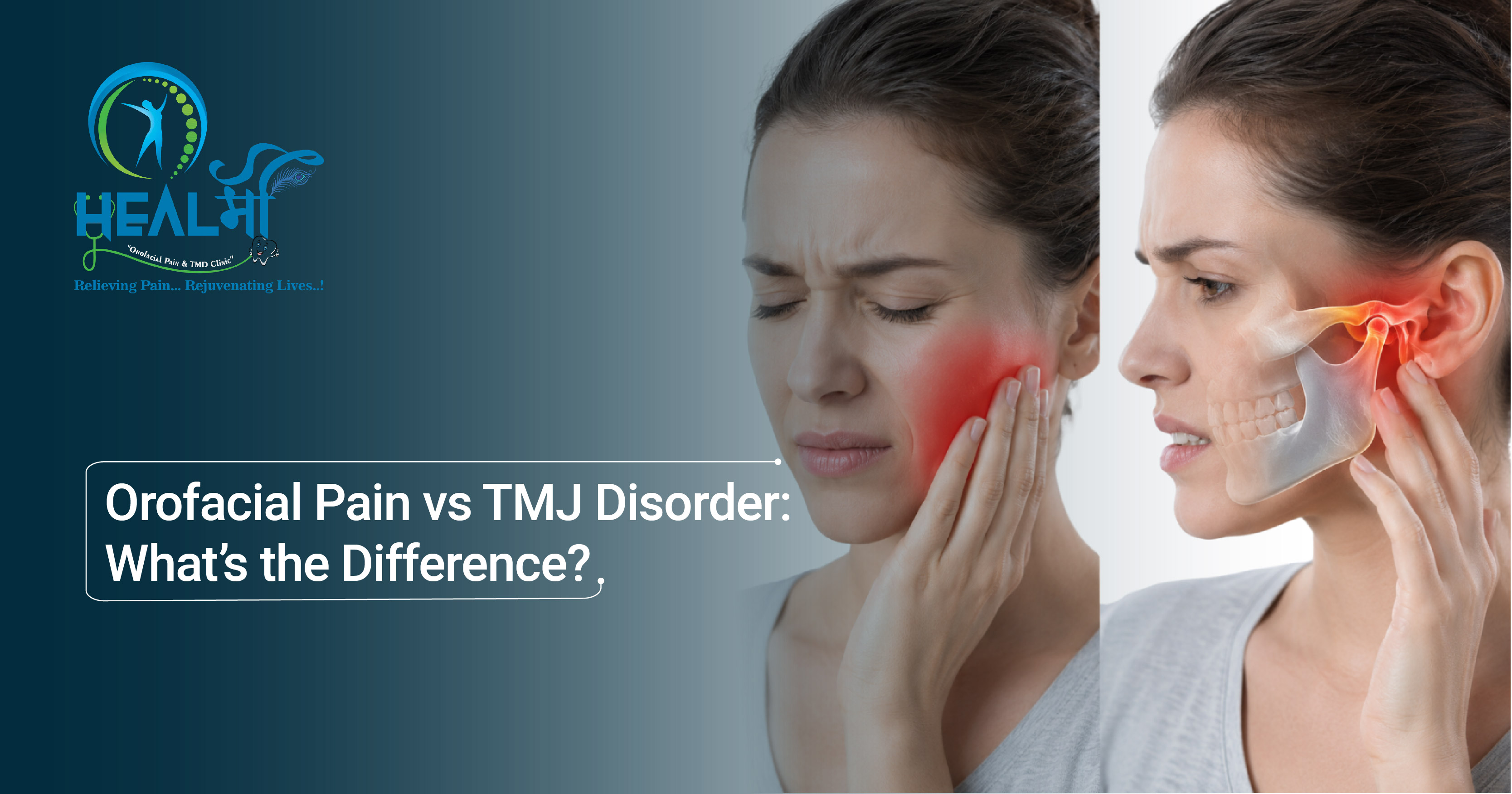
There are many forms of pain in the face, jaw, or around the mouth, and each will influence a part of your working life. Chewing hurts for some, headaches or ear pain arise, and others notice a tighter jaw. Often, an individual is recognised for TMJ Treatment in Ahmedabad many even search for help to see whether it is medically induced when they attempt to determine if the particular characteristic is what they know with the TMJ condition, or even like a form of oro-facial aches. These two conditions are closely related but not identical. Being able to tell the difference could allow individuals to detect symptoms sooner and seek appropriate medical advice.
Orofacial pain is a general medical term for discomfort experienced in the area of the face, mouth, jaw, head, or neck. Muscles, nerves, joints, teeth, or surrounding tissues can be the origin of this pain. The pain can be acute or chronic and can come on suddenly or persist over a long period of time.
Such pain is not a condition in and of itself. It can also indicate a connection to various factors.
Orofacial pain can make it tough to eat, talk, or get to sleep. The pain can also radiate into parts that are close to the jaw, specifically near regions of the ears or temples.
Temporomandibular joint disorder (TMJ) occurs in the temporomandibular joint that is connecting the lower jaw to the skull. It assists in speaking, chewing, and the lower jaw closing and opening. This is why it is said that if the joint (or muscles in the area around where the TMJ functions) is not functioning well, you will get TMJ disorders.
TMJ disorders can also lead to orofacial pain as one of the most common causes, although not all types of orofacial pain are attributable to TMJ issues.
Some individuals may also experience tightness in the face or neck.
The most significant difference is that while TMJ can be found under orofacial pain, it is only one of the more specific conditions in this broad category.
For example, orofacial pain can be thought of in an umbrella fashion. It can cover a wide range of things like TMJ disorders , nerve pain, dental issues, and muscle problems.
TMJ disorder itself simply does not refer to any disorder with the jaw joint and surrounding pain-producing muscles.
| Orofacial Pain | TMJ Disorder |
|---|---|
| Refers to pain in the face, mouth, jaw, or head | Refers specifically to jaw joint problems |
| Can have many causes | Mainly linked to the temporomandibular joint |
| May involve nerves, muscles, teeth, or joints | Mostly affects jaw movement and function |
| Symptoms vary widely | Symptoms often include jaw clicking and chewing pain |
The causes can sometimes overlap. Stress, grinding of teeth or jaw clenching, an injury to the face, or a poor posture may lead to excessive pressure upon the jaw and facial muscles.
In some people, no precise cause is identified.
Depending on the cause and class of symptoms, treatments range. Every patient has different needs when it comes to sanitization.
Initially, it is recommended that a person try TMJ treatment for the management of TMJ disorder using simple, non-surgical methods to help relieve their symptoms.
For the more serious issues, specialists may consider advanced procedures.
If jaw or facial pain lasts more than a few days or begins interfering with daily activities, a healthcare professional should be consulted.
Timely assessment could avert escalation of symptoms.
Orofacial pain and TMJ disorder are closely related, but they are not the same condition. Orofacial pain includes many types of pain affecting the face and jaw area, while TMJ disorder specifically affects the jaw joint and nearby muscles.
Understanding the difference can help people recognise symptoms more clearly and avoid confusion. Persistent pain in the jaw, face, or mouth should always be checked by a qualified healthcare professional at HealMe Pain Clini to find the correct cause and suitable treatment approach. You can also call 87806 77703 to connect.